
India stands as the world’s largest exporter of rice, supplying high-quality grains to over 150 countries. Top 10 Rice Exporters in India With its rich agricultural heritage, diverse climate, and advanced processing infrastructure, India has become a dominant force in the global rice market.
From aromatic Basmati rice to cost-effective non-Basmati varieties, Indian rice exporters play a crucial role in feeding millions worldwide. In this blog, we will explore India’s rice export industry, major varieties, top exporters, global demand, and why India is the preferred choice for buyers.
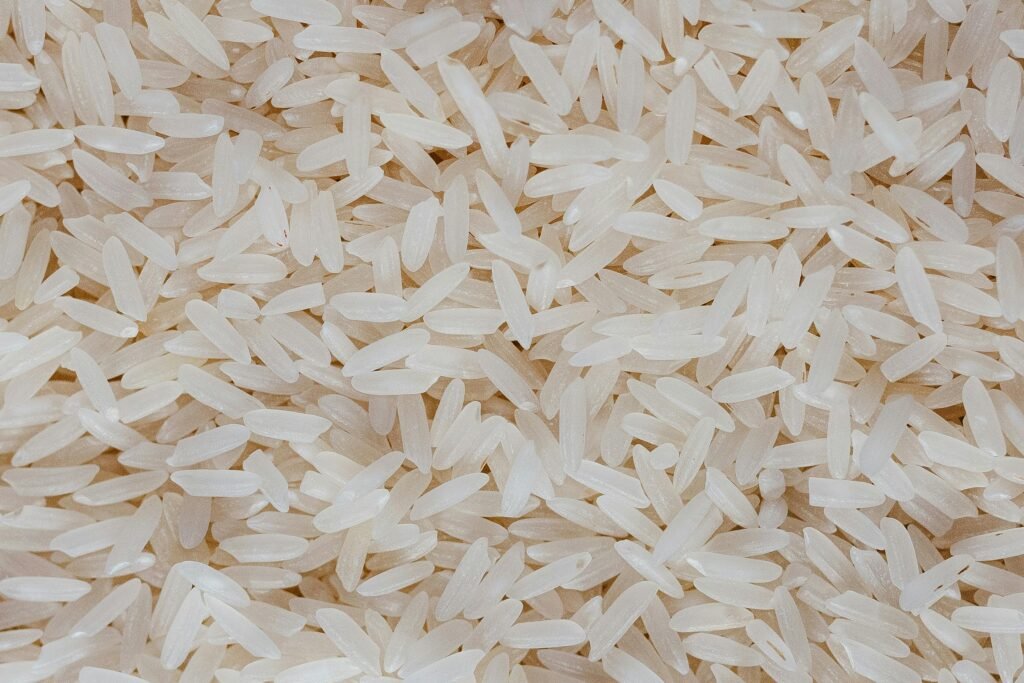
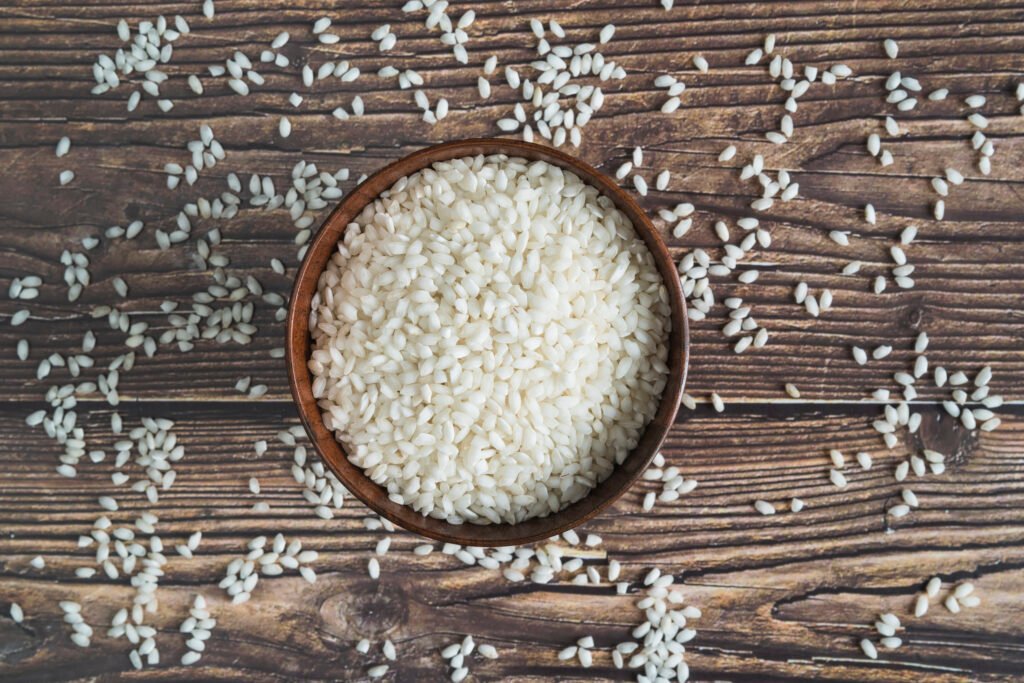
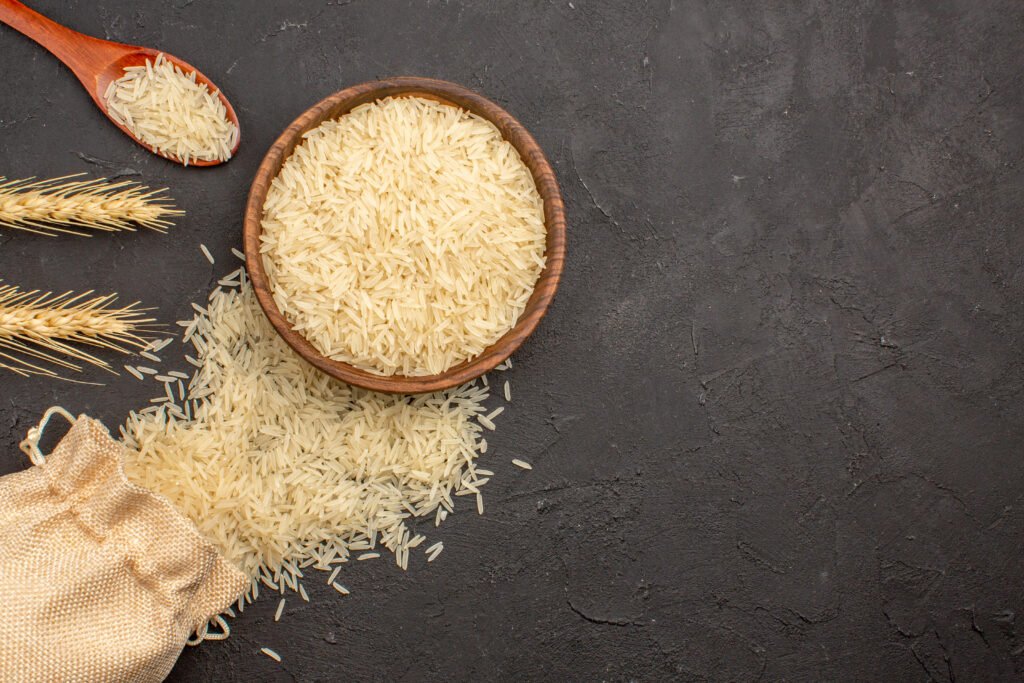
1. Overview of the Indian Rice Industry
Rice is a staple food for more than half of the global population, and India is one of the largest producers of rice. The country produces over 120 million metric tons annually, making it a key contributor to global food security.
India’s rice cultivation is spread across various states, including:
- Punjab
- Haryana
- Uttar Pradesh
- West Bengal
- Andhra Pradesh
- Telangana
- Tamil Nadu
- Chhattisgarh
Each region produces unique rice varieties based on soil, climate, and water availability.
Why India Leads in Rice Exports
India dominates global rice exports due to:
- Abundant production capacity
- Competitive pricing
- Wide variety of rice types
- Strong supply chain and logistics
- Government support and export policies
2. Types of Rice Exported from India
Indian rice exporters cater to diverse global markets by offering a wide range of rice varieties. Food & Agricultural Products
2.1 Basmati Rice
Basmati rice is India’s premium export product known for:
- Long grain size
- Aromatic fragrance
- Soft and fluffy texture after cooking
Popular varieties:
- 1121 Basmati Rice
- Pusa Basmati Rice
- Traditional Basmati
Major export markets: Middle East, Europe, USA
2.2 Non-Basmati Rice
Non-Basmati rice includes a wide range of affordable rice varieties consumed globally.
Common types:
- IR64 Rice
- Sona Masoori
- Swarna Rice
- PR11 Rice
Major markets: Africa, Southeast Asia, and Latin America
2.3 Parboiled Rice
Parboiled rice undergoes a steaming process before milling, making it:
- Nutrient-rich
- Durable during transportation
- Less prone to breakage
Key markets: Africa and Middle Eastern countries
2.4 Brown Rice
Brown rice is gaining popularity due to its health benefits:
- High fiber content
- Rich in nutrients
- Preferred by health-conscious consumers
2.5 Broken Rice
Broken rice is widely used for:
- Animal feed
- Brewing
- Food processing
India exports large volumes of broken rice due to its affordability.
3. Major Rice Exporting Regions in India
Different states specialize in different rice varieties:
- Punjab & Haryana: Basmati rice
- Uttar Pradesh: Basmati and non-Basmati
- West Bengal: Non-Basmati rice
- Andhra Pradesh & Telangana: Parboiled rice
- Tamil Nadu: Medium and short grain rice
These regions are equipped with modern rice mills and export facilities.
4. Export Process of Rice from India
Exporting rice involves multiple steps to ensure quality and compliance:
Step 1: Procurement
Rice is sourced from farmers or mandis.
Step 2: Processing
- Cleaning
- De-husking
- Polishing
- Grading
Step 3: Quality Testing
Rice is tested for:
- Moisture content
- Broken percentage
- Purity
Step 4: Packaging
Rice is packed in:
- PP bags
- Jute bags
- Customized packaging (5kg, 10kg, 25kg, 50kg)
Step 5: Documentation
Key export documents include:
- Invoice
- Packing list
- Certificate of origin
- Phytosanitary certificate
Step 6: Shipping
Rice is shipped via:
- Sea freight (most common)
- Containers or bulk shipments
5. Key Export Markets for Indian Rice
India exports rice to multiple regions worldwide:
Middle East
- UAE
- Saudi Arabia
- Iran
- Iraq
Africa
- Benin
- Senegal
- Nigeria
- Ivory Coast
Europe
- UK
- Germany
- Netherlands
Asia
- Bangladesh
- Nepal
- Sri Lanka
India’s ability to cater to both premium and budget markets makes it highly competitive.
6. Quality Standards and Certifications
To maintain global standards, Indian rice exporters follow strict quality norms:
- APEDA Registration (Agricultural and Processed Food Products Export Development Authority)
- ISO Certification
- HACCP Certification
- FSSAI Compliance
These certifications ensure that exported rice meets international safety and quality standards.
7. Factors Driving Demand for Indian Rice
Several factors contribute to the rising demand for Indian rice:
8.1 Competitive Pricing
India offers cost-effective rice compared to other exporting countries.
8.2 High Quality
Indian rice is known for:
- Aroma
- Taste
- Grain quality
8.3 Large Production Capacity
India ensures uninterrupted supply throughout the year.
8.4 Government Support
Policies and subsidies support exporters and farmers.
8. Challenges Faced by Rice Exporters
Despite its dominance, the Indian rice export industry faces several challenges:
9.1 Price Fluctuations
Global market prices can impact profitability.
9.2 Export Restrictions
Government policies sometimes limit exports.
9.3 Competition
Countries like Thailand, Vietnam, and Pakistan are strong competitors.
9.4 Logistics Issues
Shipping delays and container shortages can affect delivery timelines.
9. Opportunities in the Rice Export Business
The rice export industry offers significant growth opportunities:
Growing Global Population
Increasing demand for food globally.
Rising Health Awareness
Demand for organic and brown rice.
Expansion into New Markets
Untapped regions in Africa and Europe.
Value-Added Products
Packaged and branded rice has higher profit margins.
10. How to Choose the Right Rice Exporter
If you are a buyer, choosing the right exporter is critical.
Key Factors to Consider:
- Experience and reputation
- Certifications
- Product quality
- Pricing
- Delivery timelines
- Customer support
Working with a reliable exporter ensures consistent quality and smooth transactions.
11. Future of Rice Exports from India
The future of India’s rice export industry looks promising due to:
- Technological advancements in farming
- Improved supply chain infrastructure
- Growing international demand
- Government initiatives to boost exports
India is expected to continue its leadership position in the global rice market.
14. Why Partner with Indian Rice Exporters
Indian exporters offer several advantages:
- Wide product range
- Custom packaging solutions
- Competitive pricing
- Reliable supply chain
- Global export experience
Whether you are a wholesaler, distributor, or retailer, partnering with Indian exporters can provide long-term business growth.
Contact Now
Phone
+91 7794801969
info@unityworldtraders.com
Address
3. Villa no 167, Mahidhara luxria pocharam, Mandal patancheru District sangareddy, Telangana state -502300